
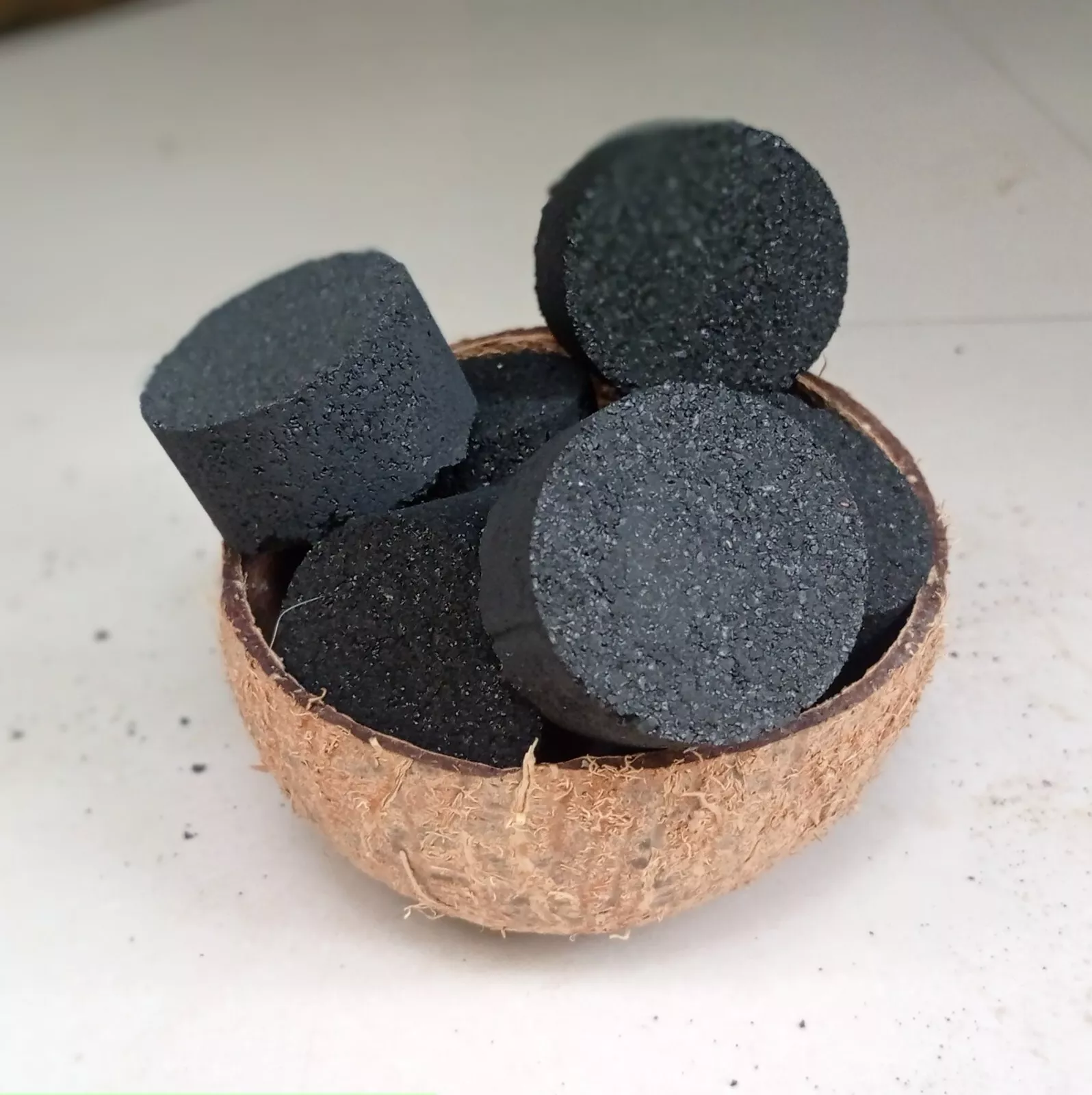
Coconut husk, the fibrous outer shell of the coconut, is an abundant agricultural byproduct in tropical countries. Traditionally, much of this material is discarded or burned in open areas, contributing to pollution and waste management issues. However, briquette fuel from coconut husk presents an eco-friendly and resourceful solution to transforming this waste into a clean, renewable energy source.
Why Briquette Fuel from Coconut Husk is an Ideal Renewable Energy Source
Coconut husk contains lignin and cellulose, which make it a suitable raw material for solid fuel production. Its natural properties allow it to burn efficiently while producing steady heat. Here are some key advantages:
-
Abundant supply: Coconut production generates a continuous flow of husks throughout the year.
-
Cost-effective: As a byproduct of coconut processing, husks are inexpensive and widely available.
-
Eco-friendly: Converting husks into briquettes reduces open burning and deforestation caused by traditional wood fuel use.
-
Long burning time: Briquettes from coconut husk burn longer and hotter than many other biomass fuels.
The Process of Producing Briquette Fuel from Coconut Husk for Clean Energy
The creation of coconut husk briquettes involves several steps to ensure efficiency and quality:
a. Collection and Preparation
Coconut husks are gathered from farms or processing facilities. They are cleaned to remove dirt or unwanted debris and then dried to lower their moisture content, ideally below 12%.
b. Grinding
The dried husks are ground into smaller particles. This step increases the surface area, making it easier for the material to be compressed into briquettes.
c. Adding a Binder
Since coconut husk fibers may not bind well on their own, natural binders such as starch, molasses, or clay are mixed in. This helps the particles stick together during compression. Typically, around 5–10% binder by weight is sufficient.
d. Briquetting
The prepared mixture is fed into a briquetting machine. Under high pressure, the material is compressed into solid shapes—commonly cylindrical, hexagonal, or rectangular—depending on the mold design.
e. Drying
Fresh briquettes still hold some moisture, so they are dried in the sun or with mechanical dryers until their moisture content reaches around 8–10%. This ensures efficient burning and longer shelf life.
Key Benefits of Using Briquette Fuel from Coconut Husk as Eco-Friendly Energy
-
Renewable energy: Offers a sustainable alternative to coal, wood, and traditional charcoal.
-
Cost savings: Particularly affordable in coconut-producing regions.
-
Reduced waste: Transforms agricultural waste into a valuable energy product.
-
Cleaner burning: Produces less smoke and ash compared to traditional fuels.
Common Uses
Briquette fuel from coconut husk can be used for:
-
Household cooking in biomass stoves.
-
Heating for small industries such as bakeries and food processing.
-
Fuel for boilers and kilns in industrial applications.
Challenges to Consider
Despite its advantages, there are some challenges in promoting this fuel source. Transportation of bulky husks to processing sites can be costly. In addition, initial investment in briquetting equipment may be a barrier for small-scale producers.
Conclusion
Briquette fuel from coconut husk is a practical and sustainable solution for both energy production and waste management. By turning what was once discarded into an efficient fuel, it reduces environmental impact, supports local economies, and promotes cleaner energy use. As the global push for renewable energy grows, coconut husk briquettes can play a vital role in shaping a greener future. Learn more about sustainable biomass innovations at Jaco ID.